


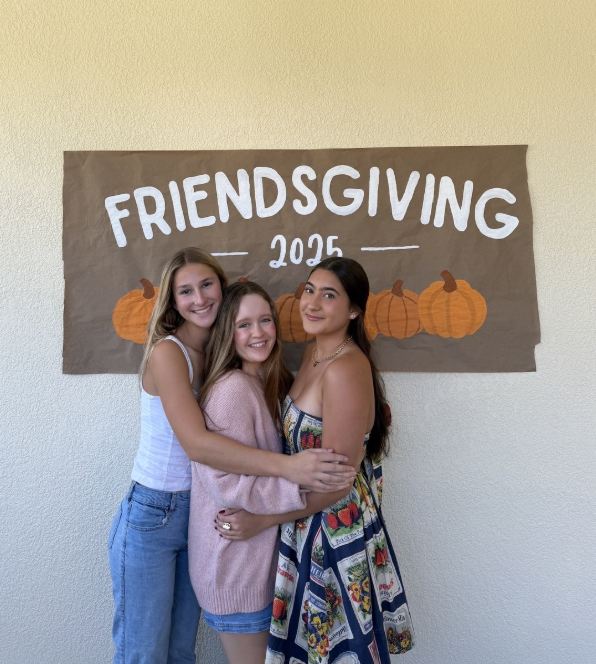
With Thanksgiving right around the corner, many students are starting to plan how they’ll celebrate with friends before heading off for break. Friendsgiving has grown into a tradition, an easy way to gather, eat good food, and take a breather before the holiday rush. If you’re hosting or helping organize one, here’s a straightforward guide to getting it right.
1. Start with the guest list.
Decide early whether you want a small group or a larger gathering. Once the group is set, everything else becomes easier to plan, especially the space and the food.
2. Choose a place to host.
You don’t need anything fancy. Most students use:
- a park
- someone’s living room
- a backyard or patio
The main things you need are sufficient seating, a surface to place food on, and a space that allows for quick cleanup afterward. If you want, you could make a banner to make a perfect spot to take pictures.
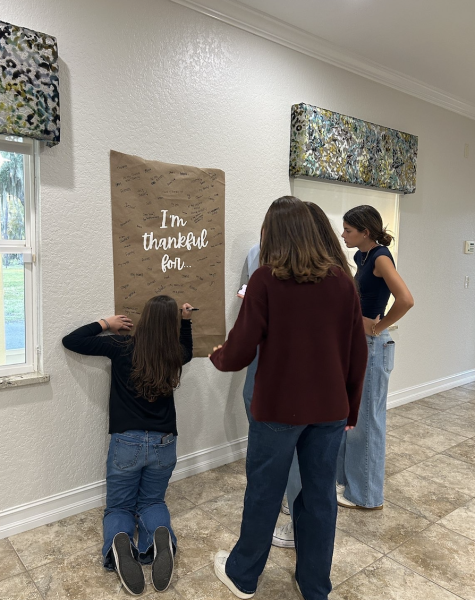
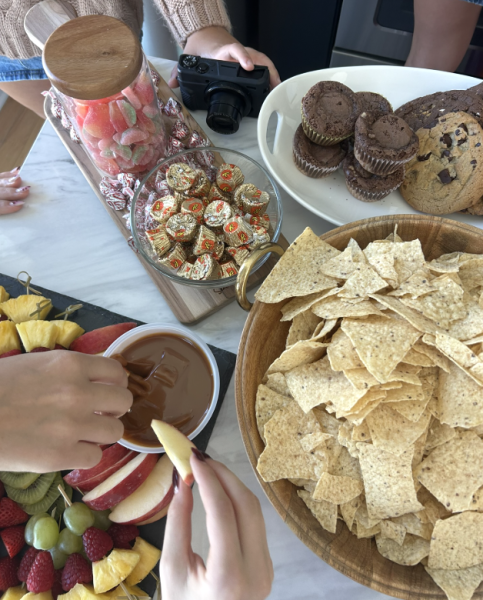
Ammerah Kazbour hosted the Crew teams’ Friendsgiving and said, “I hosted mine at my clubhouse and decorated the space with flowers, pumpkins, and other fall décor. We had a banner where everyone could write what they’re thankful for, and another banner for taking photos. My mom and I made all of the food—salad, veggie tray, fruit, chicken, steak, mac n cheese, mashed potatoes, and a ton of desserts like cookies and cupcakes. I started preparing the week of by cleaning the space, then decorating, and on the day of, we made all of the food.”
3. Organize the food so nothing gets duplicated.
Friendsgiving is almost always a potluck, which keeps things simple. The easiest way to avoid bringing the same things is to make a shared list or group chat sign-up. Typical categories include:
- Main: mac and cheese, pizza
- Sides: rolls, veggies, salad
- Dessert: cookies, brownies, pie
- Extras: drinks, cups, plates, napkins
4. Plan a few activities.
You don’t need an elaborate schedule, but having something to do besides eating keeps the night moving. Popular, easy options are:
- card or board games
- a shared playlist
- a photo spot
- movie in the background
5. Keep it simple.
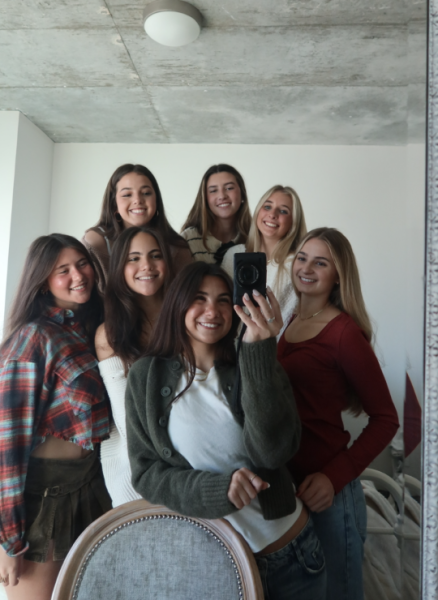
The best Friendsgivings aren’t the ones with perfect decorations or elaborate food. They’re the ones where everyone feels comfortable, contributes something, and hangs out without pressure.


