


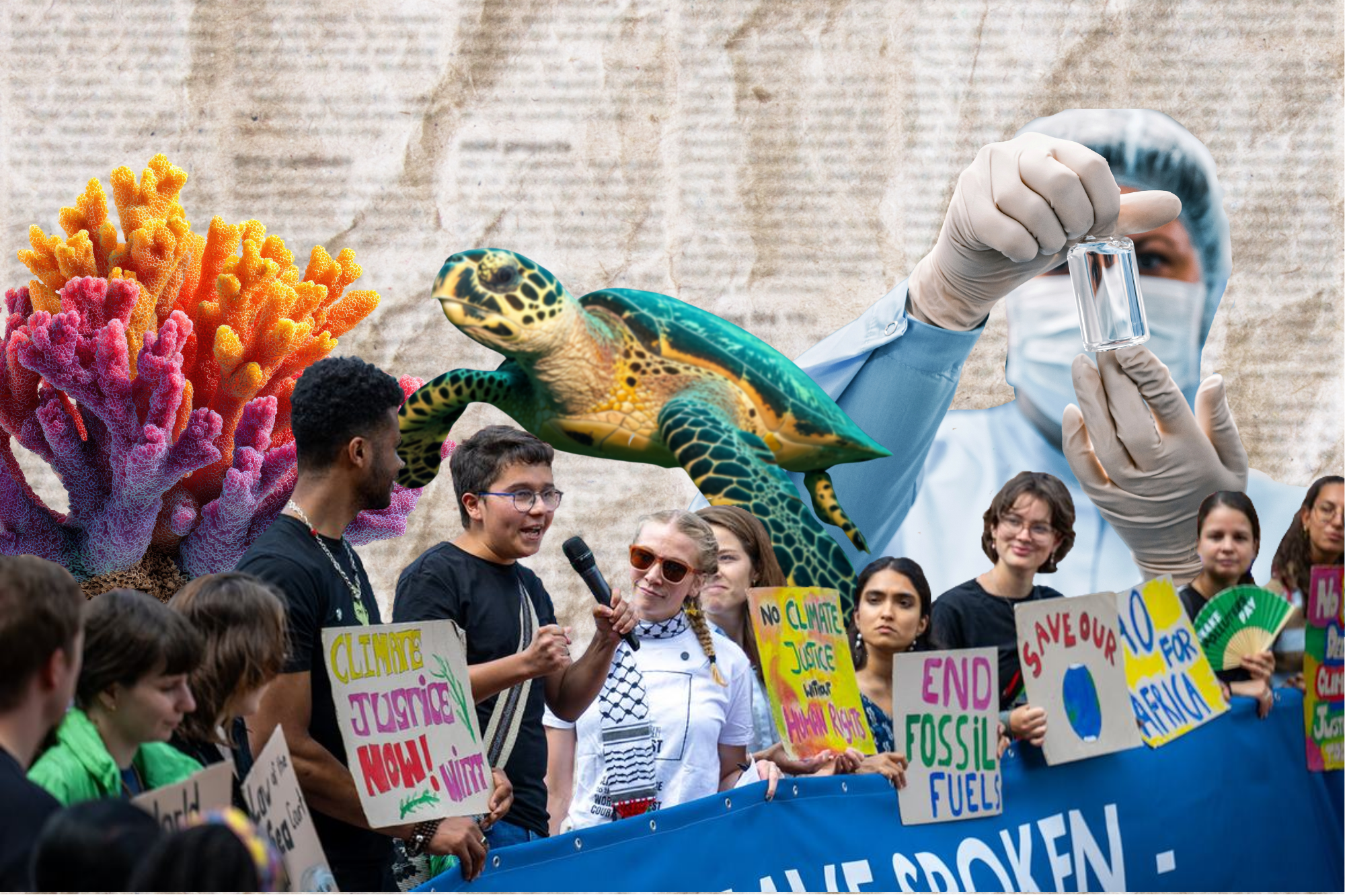
With headlines often dominated by conflict, disaster, and uncertainty, recent global developments offer a reminder that meaningful progress is still being made. From groundbreaking scientific achievements to major steps forward in public health and environmental protection, this past year has brought some encouraging news across the globe.
Global ocean treaty
An international treaty ratified by 81 countries under the United Nations officially entered force on January 17, 2026 with the goal of sustainably managing the biodiversity of international waters, which make up two-thirds of the global ocean. The treaty requires participating nations to secure marine sanctuaries, thoroughly evaluate the impact of human activities, and fairly share the benefits of marine resources. The treaty aims to conserve 30% of the global oceans by 2030. Scientists and environmental activists believe that these protections could restore declining fish populations, preserve endangered habitats like coral reefs, and slow the effects of climate change on marine life. This agreement also represents one of the largest examples of international cooperation on environment protection.
Alzheimer’s drug developments
With Alzheimer’s disease previously deemed incurable, new drugs are being tested that could help lessen its effect. The FDA recently approved an expanded use of Auvelity, a medicine used to treat dementia associated with Alzheimer’s. According to FDA commissioner Maty Makary, this “marks a significant advancement in our ability to help patients and families dealing with one of the most challenging aspects of Alzheimer’s disease.” In addition, researchers are developing new drugs that target the underlying biological causes of the disease. Clinical trials for Alzheimer’s drugs have increased by more than 40%, reflecting growing scientific progress and investment in neurological research. While a complete cure may still be years away, these breakthroughs represent an important step toward slowing the progression of the disease and improving quality of life for patients dealing with it.
Trachoma risk rates plummet
The number of people at risk for trachoma, the leading cause of blindness, has seen a 94% decrease globally since records began in 2002. This is the result of coordinated efforts by national governments, local administrations, and the help of the World Health Organization. Countries most affected by the disease, particularly those in sub-saharan Africa, have implemented widespread treatment programs that include surgery for late-stage cases, antibiotics to stop infection, and improved public sanitation and hygiene practices. Public health campaigns encouraging facial cleanliness and better access to clean water have also played a major role in lessening the impact of the disease. Health experts view this progress as evidence that international cooperation and preventative healthcare measures can successfully combat diseases that once seemed impossible to contain.

New protections against environmental harm
The International Court of Justice has ruled that States now have a legal obligation to protect the environment from greenhouse gas emissions. The court declared that access to a clean environment is a human right. The ruling also states that countries failing to address environmental damage or climate change could face legal consequences and may be required to provide reparations to nations most affected by environmental harm. Environmental activists and legal experts have described the decision as a historic victory for climate justice. While enforcing it remains complex, the ruling could influence future climate policies and encourage governments to take more action against environmental destruction.

Organ transplant advancement
Massachusetts General Hospital performed a successful transplant of a genetically-modified pig kidney to a man suffering end-stage kidney disease, marking a major advancement in medical science. In the United States, a critical shortage of organ donors has left over 100,000 people on the national transplant waiting list. MGH’s discovery marks a major step in the right direction and possible solution to the problem. With animal organs entering the picture as transplant material, there is a decreased need for human donors. This, scientists believe, could help solve the global shortage of transplantable organs and save thousands of lives.
From protecting ocean ecosystems to developing new treatments for devastating diseases, these societal and scientific breakthroughs provide hope for the future and illustrate humanity’s ability to solve complex global challenges. While many issues still remain, these achievements serve as an important reminder that positive change is possible.


