
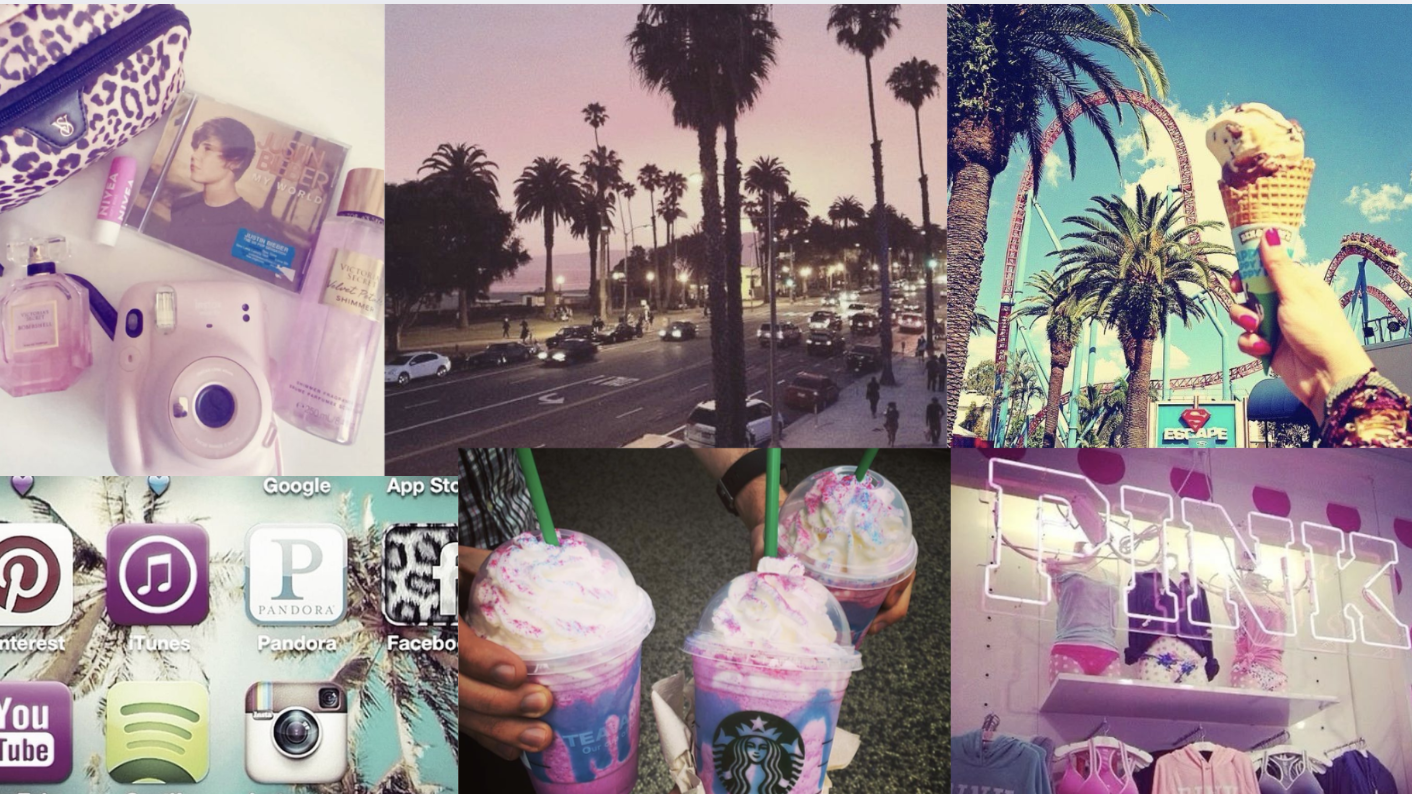
Beginning towards the end of 2025, users from various platforms of social media, such as TikTok, Instagram, and Pinterest began to post about how everyone should make “2026 the new 2016,” bringing a wave of nostalgia to the internet world.
On the outside, it may just seem like a typical, brief trend, merely for aesthetic reasons. Examples of this include the Y2K trend that overtook social media feeds at the beginning of the 2020s and even prior to social media, the revival of 70s culture in 90s youth. Although this constant cycle may seem rather trivial, it reveals something much deeper.
Ever since the COVID-19 Pandemic hit, there has been a constant desire to revert to a peaceful and happier lifestyle that was supposedly lived in the decades prior. This primarily functions as a coping mechanism for the anxiety, uncertainty, and social isolation that is occurring present-day. See, the pre-pandemic world is idealized as a time where there was a sense of stability in life, and where there was a greater degree of in-person social interaction than after the pandemic.
View this post on Instagram
Grace Holland (‘28) said “I think they’re bringing this era back because people are both bored and longing for the “innocence” of that time compared to today.”
Today’s online world has a more commercialized and curated feel to it, for trends spread faster than ever and personal expression can be overshadowed by what appears on social media feeds. Revisiting 2016 through music, fashion, and even memes allowed users to recreate a sense of belonging that feels more authentic. Essentially, individuals seek to step back into a digital space that feels slower and genuine, where, as said before, individuals could fully express themselves.
Social Studies teacher Olivia Rivas (’16) said “I feel like high school and our teenage years back then was not as doom and gloom as it is now. That is, we actually got to enjoy being kids.”
However, part of this nostalgia also comes from the music and fashion of that era, which played an important role in shaping personal identity online. For example, the “King Kylie Era” of pop music was very prominent in social feeds during this time, with fans idolizing both the music and the bold, some may even say iconic looks. Similarly, the Tumblr Girls aesthetic became symbolic of self-expression and valued individuality. See, these trends weren’t solely about style, rather they represented a community where people could connect over shared interests and creativity.

This revival isn’t purely about aesthetics or trends, it’s about finding a sense of identity and community in a fast-changing world. High school can be stressful in various ways, especially with the constant presence of social media. By reverting to the music, fashion, and overall vibes of 2016, students express themselves while connecting with others over shared memories and trends, regardless of how young they were at the time. In a way, nostalgia, besides building friendships, reminds individuals that it’s okay to reflect on the past, as long as they keep moving forward and becoming a genuine version of themselves.
Rivas also said ,”I think that in order to bring this back, first high schoolers will have to learn how to be in the moment and enjoy teenager years while they’re still there.”
Ultimately, making “2026 the new 2016” trend shows that nostalgia isn’t just about longing for the past, but reclaiming the joy, creativity, and connection that once existed in a more wholesome digital world, and this is just one step to obtain it once more.


Zoey • Jan 18, 2026 at 11:06 pm
This totally relates to our Seminar topic, lol
ellie • Jan 14, 2026 at 1:31 pm
SO CUTIE!! love!!
Camille King • Jan 14, 2026 at 8:21 am
I really hope that 2026 is the new 2016!