



From Jan. 17 through Jan. 23, 2026, a group of eight Academy girls and two chaperones went on a mission trip to San Juan, Texas.
I was part of this group of girls, and I didn’t have much expectations from this trip. I expected it to be a regular trip, like Plant City, where I went last year. That is, I was prepared to participate in service, however, I was met with something much better. A learning experience that changed my perspective on the reality of the U.S.-Mexico border.
ARISE Adelante is a non-profit organization dedicated to promoting the development and empowerment of the immigrant community in the Rio Grande Valley of South Texas, focusing mainly on women, children, and youth. They have four locations across different colonias, or a low-income community near the U.S.-Mexico border that lacks basic infrastructure, like clean water and paved roads.
The organization has various pillars, including education, health, environment, immigration, civic engagement, leadership/personal, and youth. Each of these pillars are implemented through ARISE’s partnering with other organizations and educational programs throughout their various facilities in attempts to fulfill their mission. I participated in ARISE’s Border Witness Program, and according to their booklet, its main goal is to “walk experiences through the eyes of the immigrants’ journey,” that is, exposing the reality of what they have to undergo to arrive in the U.S. and border life.
One of the missionaries, Camryn Clamp (‘27) said, “This trip gave me the opportunity to truly recognize the inherent dignity of people, making the issue more realistic. Also, experiencing how they live day-to-day made me have more empathy towards them.”
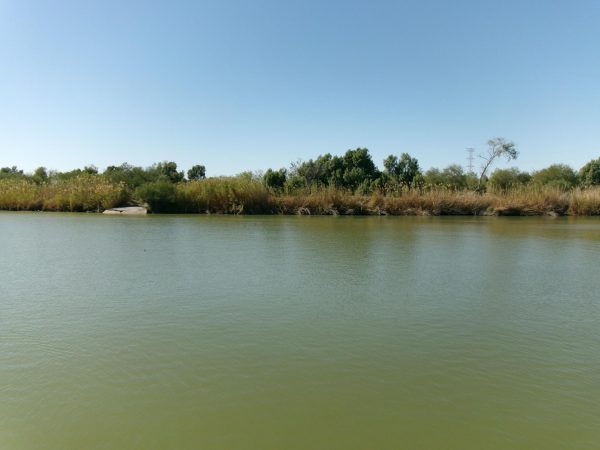
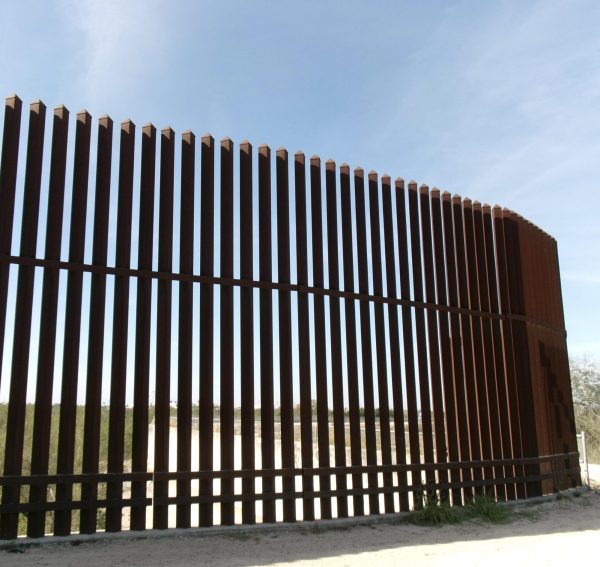
Two significant parts of this experience was seeing the Rio Grande and the U.S.-Mexico border. Regarding the Rio Grande, it was a rather surprising visit, for it was through a small restaurant that we were able to see it. This restaurant, the Riverside Club, was on the other side of the border, for there were various gaps throughout the wall, and it had a direct view of the Rio Grande, about 0.3 miles away. For me, this revealed a huge misconception about the border wall, which is that it is a continuous 30 feet, 2,000-mile structure made of the same component, steel bollard.
This was made more visible when I walked along the border on a separate day with the group. There, I was able to see various sections of the wall that were discontinuous, made of other materials, such as razor wire or low fencing, contrasting the structure emphasized especially during President Donald Trump’s first term from 2017 to 2021.
The tension felt when walking along the border was very powerful, especially because of the presence of Border Patrol Officers. To the residents of the area, they have a negative reputation due to documented allegations of excessive force and other unethical behaviors. Additionally, when coming across the barbed wire fence, I came across a piece of clothing that seemed to belong to a young child, and when walking away from the border a homemade ladder was made visible to my sight. This made me realize the far-reaching determination that these immigrants have to seek a better life, regardless of the adversity faced.
Through the ARISE program we were also able to hear various first-hand testimonies about the experience of immigrating and adjusting to the U.S. A majority of those who would tell their story were ARISE staff members or volunteers, but there were also some members of the local community that stepped up to this challenge. Their testimonies were ones of mostly suffering, with some situations dealing with abuse and poverty, significantly motivating their decision to leave their home country and encountering those same situations upon immediate arrival to the U.S. without needed aid.
One of the chaperones of the trip, math teacher Robert Quinn said “When you hear people’s stories firsthand, you get a better appreciation of what the people have been through, how bad they want to be here, and how bad it is from what they’re trying to escape from. You also get a real appreciation from what they bring to the community, and it doesn’t have the same impact if you’re not connecting in person.”
Essentially, I learned that life at the border, although difficult due to the lack of necessities such as reliable access to clean water, healthcare, and transportation, its community has the ability to show resilience, hope, generosity, and a strong sense of unity. While partnering with ARISE, I noticed how much emphasis was placed on the education and empowerment of the immigrant community rather than charity alone. This approach highlighted that border communities are not simply places of struggle, but also places of grit and culture. Seeing this side of life at the border helped bridge the gap between what is often portrayed in the media and what actually is experienced by those living there every day.
This trip also brought my attention to how current immigration laws and border policies directly impact real people and families. Once more, many of the stories we heard were defined by strict immigration processes, limited legal pathways, and prolonged uncertainty. Although being knowledgeable on immigration beforehand, this experience challenged me to witness first-hand the great extent to which it is a humanitarian concern that requires compassion, understanding, and thought-out reform policies.
The mission trip to San Juan did not just inform me about the border, but it reshaped how I see immigration, community, and my own responsibility to stay informed and empathetic long after returning home.


Sister Ancilla Maloney,IHM • Feb 8, 2026 at 12:51 pm
Valeria, your article was excellent. Congratulations. Your dream to do some journalism in the future will be infused by your experience at the border.
God bless and guide you in the days ahead.
Sister Ancilla, IHM
Scranton, PA